Source Cartoon Baby Potty Seat for Training, Travel, and Home Use
Explore 30 options for a cartoon baby potty seat designed for toddler training, travel convenience, and home hygiene. Compare features like portable PP construction, eco-friendly materials, and customizable OEM branding to find the right fit for your business needs; compare the available evidence and request quotations based on your requirements.
Key considerations
Products List






Comprehensive Sourcing Guide
Cartoon Baby Potty Seat Sourcing Guide
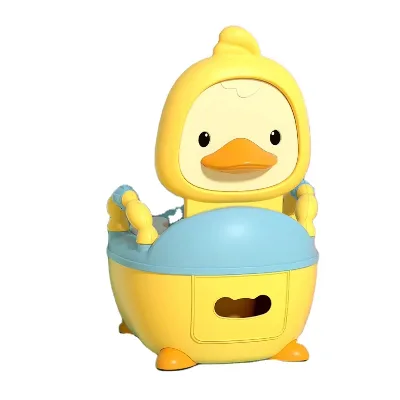
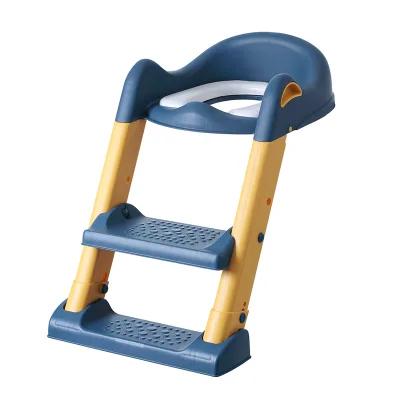
Sourcing cartoon-themed potty seats requires balancing aesthetic appeal with rigorous safety standards, as these products are designed for toddlers aged two to six years. The market offers a variety of materials, primarily polypropylene (PP), plastic, and combinations with TPR or PVC cushions, each offering different durability and comfort profiles. Buyers must prioritize ergonomic designs that support proper posture while ensuring the seat is easy to clean and resistant to bacterial growth. The visual appeal, often featuring animal or cartoon patterns, serves as a motivational tool for children during the training process, making the selection of engaging designs a critical component of the product strategy.
Procurement teams should focus on verifying the structural integrity and weight capacity of each unit, as lightweight designs may compromise stability. Observed listings indicate weights ranging from approximately 1.32 kg to 2 kg, with dimensions varying significantly based on the specific model and intended user size. It is essential to confirm that the chosen model aligns with the target demographic’s physical needs, ensuring that the seat is neither too large nor too small for the intended age group. Additionally, the availability of customization options allows brands to tailor the product to their specific market positioning, whether through unique color schemes, logo placement, or specialized packaging solutions.
Product Scope and Observed Listing Signals
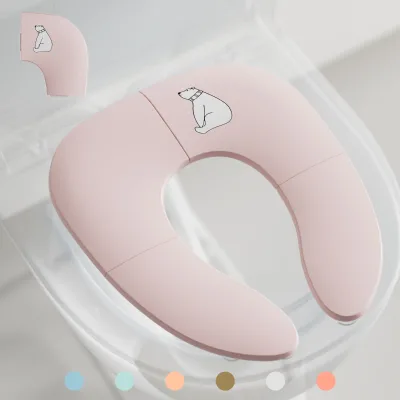
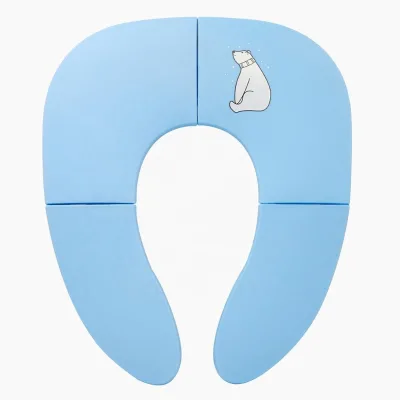
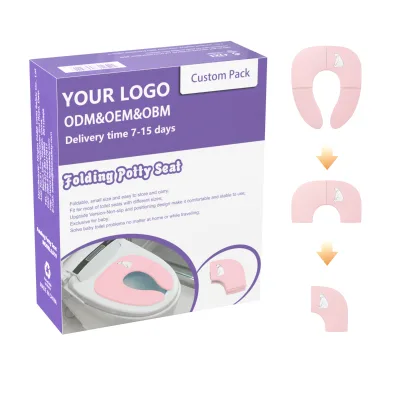
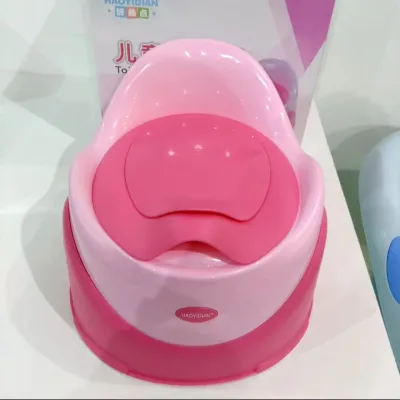
The current market landscape for cartoon baby potty seats includes a diverse array of models, such as the wz-51, hg-8-34, and HG-ZBQ003, each catering to different aesthetic and functional preferences. Listings frequently highlight features like portability, durability, and eco-friendly materials, which are key selling points for environmentally conscious consumers. The color palette typically includes yellow, pink, and grey options, often combined with cartoon or animal patterns to attract young users. These visual elements are not merely decorative but serve a functional purpose in encouraging children to use the potty independently, thereby reducing parental stress during the training phase.
Packaging variations are another significant signal in the product scope, with options ranging from single-piece boxes to bulk configurations of nine pieces per carton. This flexibility allows buyers to optimize their logistics and storage based on their distribution channels, whether targeting retail stores or direct-to-consumer platforms. The standard packing dimensions, such as 36.5844.552cm or 422743cm, provide crucial data for calculating shipping costs and warehouse space requirements. Buyers should carefully evaluate these packaging details to ensure that the final product presentation aligns with their brand identity and logistical capabilities, minimizing damage during transit and enhancing shelf appeal.
Technical Specifications to Verify
When evaluating technical specifications, buyers must scrutinize the material composition to ensure it meets safety and durability expectations. Common materials include PP, plastic, and combinations with TPR or PVC cushions, each offering distinct benefits in terms of comfort and hygiene. It is vital to verify that the materials are non-toxic and free from harmful chemicals, as these products are in direct contact with children’s skin. The weight of the units, typically ranging from 1.32 kg to 2 kg, should be consistent with the stated specifications to ensure stability and ease of use. Additionally, the dimensions of the potty seat must be accurate to provide a comfortable and secure fit for toddlers, preventing accidents and promoting proper usage habits.
The model numbers and standard sizes listed, such as 36.5844.552cm or 422743cm, serve as critical reference points for quality control and inventory management. Buyers should confirm that these dimensions are consistent across production batches to maintain product uniformity and customer satisfaction. Furthermore, the single package size and gross weight, which can vary from 2.000 kg to 30.000 kg depending on the packaging configuration, must be accurately declared to avoid shipping discrepancies. Verifying these technical details early in the sourcing process helps prevent costly errors and ensures that the final product meets both regulatory requirements and consumer expectations.
Compliance and Safety Documentation
Compliance with international safety standards is non-negotiable for baby potty seats, with certifications such as EN71 serving as a benchmark for product safety. Buyers must request and verify these certifications to ensure that the products have undergone rigorous testing for mechanical, physical, and chemical hazards. The presence of such certifications indicates that the manufacturer adheres to strict quality control measures, reducing the risk of product recalls and legal liabilities. It is also important to confirm that the materials used are free from harmful substances like BPA, phthalates, and lead, which can pose serious health risks to young children.
In addition to certifications, buyers should inquire about the manufacturer’s quality assurance processes and their ability to provide test reports from accredited laboratories. These documents provide evidence that the products meet specific safety criteria and can be used to support marketing claims and regulatory submissions. Buyers should also verify that the manufacturer has a robust system for tracking and addressing any potential quality issues, ensuring that any defects are identified and resolved promptly. By prioritizing compliance and safety documentation, buyers can protect their brand reputation and ensure the well-being of the end-users, fostering trust and loyalty among consumers.
Cost Drivers and Commercial Terms
The cost of cartoon baby potty seats is influenced by several factors, including material quality, design complexity, and customization options. Prices observed in the market range from $1.59 to $9.23, reflecting variations in production costs and value-added features. Buyers should consider the trade-off between cost and quality, ensuring that the chosen product meets their safety and durability standards without exceeding their budget. Customization options, such as logo printing and unique packaging, can increase the unit cost but may enhance brand visibility and market differentiation. It is essential to negotiate clear terms regarding these additional costs to avoid unexpected expenses.
Minimum Order Quantities (MOQs) typically range from 1 to 3000 pieces, with some suppliers requiring a minimum of 500 pieces for customized orders. Buyers should align their order quantities with their sales forecasts and storage capabilities to optimize inventory turnover and minimize holding costs. Payment terms, lead times, and shipping arrangements should be clearly defined in the contract to ensure smooth transactions and timely delivery. By understanding the commercial terms and cost drivers, buyers can make informed decisions that balance financial efficiency with product quality, ensuring a successful sourcing outcome.
Supplier Qualification and Quality Control
Supplier qualification is a critical step in the sourcing process, requiring a thorough assessment of the manufacturer’s capabilities and reputation. Buyers should verify the supplier’s production capacity, quality control systems, and compliance with international standards to ensure they can meet the required volume and quality expectations. It is also important to assess the supplier’s ability to handle customization requests, such as logo printing and unique packaging, which may require additional resources and expertise. Conducting factory audits or requesting references from existing clients can provide valuable insights into the supplier’s reliability and performance.
Quality control measures should be implemented throughout the production process to ensure that the final products meet the specified standards. Buyers should establish clear quality criteria and inspection protocols, including pre-production samples, in-process checks, and final random inspections. These measures help identify and address any defects or deviations early in the production cycle, reducing the risk of receiving substandard products. Additionally, buyers should maintain open communication with the supplier to address any issues promptly and ensure continuous improvement. By prioritizing supplier qualification and quality control, buyers can mitigate risks and ensure a consistent supply of high-quality cartoon baby potty seats.
Long-Term Procurement Checks
Long-term procurement success depends on establishing a sustainable relationship with suppliers and continuously monitoring performance. Buyers should conduct regular reviews of supplier performance, including delivery times, product quality, and responsiveness to issues, to identify areas for improvement. It is also important to stay updated on changes in safety regulations and market trends, ensuring that the products remain compliant and relevant. By fostering a collaborative relationship with suppliers, buyers can leverage their expertise to innovate and improve product offerings, maintaining a competitive edge in the market.
Additionally, buyers should implement a robust feedback loop with end-users to gather insights on product performance and customer satisfaction. This information can be used to refine product designs and address any recurring issues, enhancing the overall user experience. Regularly updating the product portfolio to include new features or designs can also help maintain customer interest and drive sales. By focusing on long-term procurement checks and continuous improvement, buyers can build a resilient supply chain that supports sustained growth and profitability in the cartoon baby potty seat market.
FAQs
What materials are used for the cartoon baby potty seat?
The product is primarily made from PP plastic, with some variants using PP, TPR, or PVC combinations. These materials ensure durability and safety for children aged 2 to 6 years. The construction supports eco-friendly usage while maintaining a sturdy structure for daily training needs.
Can I customize the logo and packaging for this potty?
Yes, customization is available for both the logo and the packaging options. Buyers can choose between single item boxes or bulk packs of nine pieces per box. OEM and ODM services are welcome to meet specific branding requirements for different market segments.
What are the standard dimensions and weight of the potty seat?
Standard sizes vary, with common dimensions around 36.5 by 31 by 50 centimeters or 42 by 27 by 43 centimeters. The unit weight typically ranges from 1.32 to 2 kilograms depending on the specific model. These specifications ensure portability and ease of use for toddlers during training.
Which certifications does the cartoon baby potty seat hold?
The product holds EN71 certification, ensuring it meets safety standards for children's toys and products. This certification confirms the materials and design are safe for young children. Buyers should verify specific batch details to ensure compliance with local regulations in their target markets.
What is the minimum order quantity for this potty seat?
The minimum order quantity varies by supplier, with observed ranges starting from 1 piece up to 3000 pieces. Some specific listings indicate a minimum of 500 pieces for certain models. Buyers should confirm the exact MOQ with the supplier before placing an order to align with their inventory needs.
Where are these cartoon baby potty seats manufactured?
These products are manufactured in Zhejiang, China, which is a major hub for plastic toy production. The origin ensures access to established supply chains and manufacturing capabilities. Buyers can expect consistent quality control measures typical of this region for plastic baby products.
Are there different color options available for the potty seat?
Yes, multiple color options are available including yellow, pink, and grey. Some models feature animal or cartoon patterns to appeal to children. The variety allows buyers to select colors that match their brand identity or customer preferences effectively.